Defence & Security

Britain and Germany Sign First Defence Treaty Since Second World War

DOWNLOAD IPFS

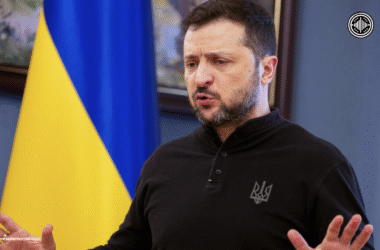
The United Kingdom and Germany have signed their first bilateral defence treaty since 1945, marking a historic shift in European security cooperation. The agreement, dubbed the “Trinity House Agreement,” was signed by Prime Minister Sir Keir Starmer and German Chancellor Friedrich Merz, establishing a mutual assistance framework and deepening collaboration in defence technology, industrial capacity, and strategic deterrence.

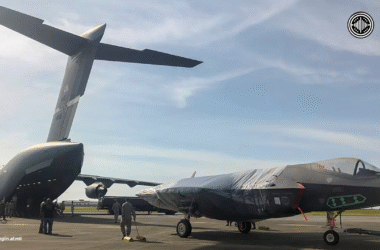
Under the treaty, German maritime surveillance aircraft will operate from Royal Air Force (RAF) Lossiemouth in Scotland to monitor the North Atlantic. The deal also includes joint development of long-range strike capabilities, collaborative patrols using drones and submarine-hunter aircraft, and a shared commitment to protecting undersea infrastructure.

Crucially, a new facility operated by defence manufacturer Rheinmetall will be built in the UK to produce artillery barrels using British steel, rebuilding a critical domestic capability. The deal will also see closer cooperation in the production of Boxer armoured vehicles and Challenger 3 tanks through Anglo-German joint ventures. Approximately 400 jobs are expected to be created by the new plant, supporting the UK’s reindustrialisation ambitions.

While both countries remain fully committed to the North Atlantic Treaty Organization (NATO), this bilateral agreement signals a growing emphasis on European-led security solutions. The treaty responds to heightened concerns over Russian aggression and uncertainty surrounding the future posture of the United States in Europe. It follows earlier steps taken by both governments to expand cooperation, including a Defence Ministerial Council and joint declarations on maritime and cyber capabilities.

Strategically, the agreement boosts the UK’s defence posture in several ways:

  • It strengthens deterrence through coordinated North Atlantic surveillance and submarine monitoring.
  • It revitalises British manufacturing with investment in defence-grade steel and artillery production.
  • It promotes interoperability between the UK and German armed forces through shared training and joint technology development.
  • It underscores Europe’s increasing role in self-defence while complementing transatlantic partnerships.

While some voices have warned that bilateralism could risk duplicating NATO efforts or undermine broader EU cohesion, supporters argue the move is a necessary and pragmatic evolution. It demonstrates strong leadership and recognises the UK’s central role in European defence post-Brexit.

This treaty reflects a centre-right policy approach: reinforcing national security through strategic alliances, economic revitalisation through industrial partnerships, and responsible long-term defence planning. Rather than pursuing symbolic gestures, it prioritises capability, deterrence, and sovereignty, all while preserving multilateral commitments.

Leave a Comment

Your email address will not be published. Required fields are marked *

*

OPENVC Logo OpenVoiceCoin $0.00
OPENVC

Latest Market Prices

Bitcoin

Bitcoin

$67,554.43

BTC 0.01%

Ethereum

Ethereum

$1,971.04

ETH 0.03%

NEO

NEO

$2.70

NEO 3.90%

Waves

Waves

$0.47

WAVES -0.07%

Monero

Monero

$350.37

XMR 2.70%

Nano

Nano

$0.56

NANO 1.22%

ARK

ARK

$0.19

ARK 3.44%

Pirate Chain

Pirate Chain

$0.25

ARRR -5.76%

Dogecoin

Dogecoin

$0.09

DOGE 0.22%

Litecoin

Litecoin

$52.83

LTC 0.43%

Cardano

Cardano

$0.26

ADA 0.08%

Subscribe to Blog via Email

Enter your email address to subscribe to this blog and receive notifications of new posts by email.